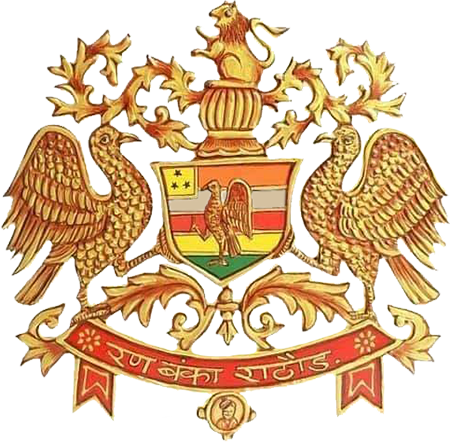

Overview
Browse our visual repository!
Jodhpur - Visual RepositoryJodhpur (Marwar State)
- Last King: Maharaja Hanwant Singh
- Size: ~93,424 km²
- Population: ~2,555,904 (1941 Census)
- Accession to India: 11 August 1947
- Post-Independence Union: United State of Greater Rajasthan (integrated 30 March 1949), which later formed the modern-day state of Rajasthan
A democratic awakening
The democratic awakening in Marwar began through early civic platforms like the Marwar Seva Sangh (1920) and the Marwar Hitkarni Sabha, which formally demanded responsible government in 1929. Led by Jai Narain Vyas: who pioneered Rajasthan’s ties with the All India States' People's Conference (AISPC) in 1927, activists mobilized against oppressive feudal practices, lag-bag (cesses), and begar (forced labor).
In 1934, the movement formalized as the Jodhpur Praja Mandal to campaign for civil liberties, drawing national attention and visits from leaders like Jawaharlal Nehru. Facing harsh state repression and bans enacted by Prime Minister Sir Donald M. Field, activists formed the Marwar Lok Parishad in May 1938, explicitly asserting the supremacy of popular will over royal subjects.
The state sought to placate public agitation through consultative bodies and the Government of Jodhpur Act (1944), but the Lok Parishad rejected these as pseudo-legislatures where absolute authority remained with the ruler. Agitations peaked with "Responsible Government Day" on March 28, 1942, agrarian clashes at Chandawal and Nimaj, and mass youth strikes during the 1942 Quit India movement.
Merger with the Indian Union
After thwarting Maharaja Hanwant Singh’s maneuvers to accede to Pakistan, the Lok Parishad secured executive authority. Jai Narain Vyas took charge as Pradhan Mantri of a popular ministry on March 3, 1948, culminating in Jodhpur’s final integration into Greater Rajasthan on March 30, 1949.